
General
Recognize phishing attacks: Protect your company
Nov
How to recognize phishing attacks and protect your company
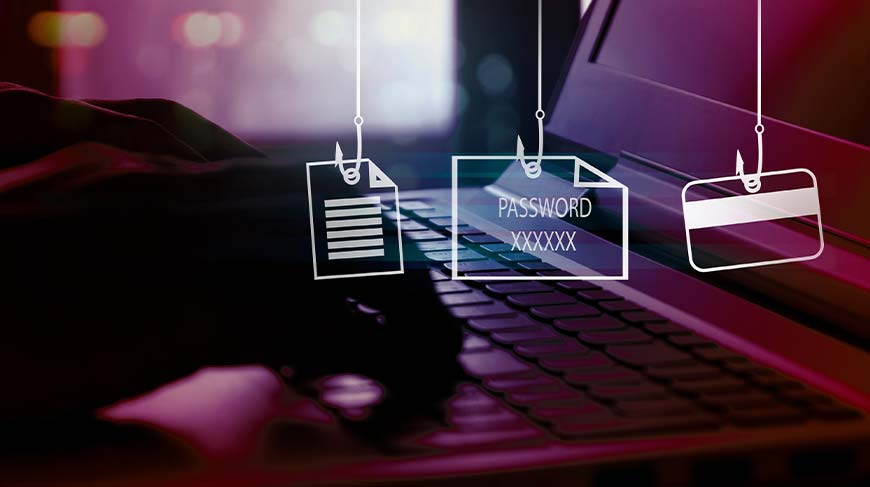
The digital world is a dynamic ecosystem that offers countless opportunities, but also brings with it a multitude of threats. One of the biggest threats your company faces is phishing attacks. This type of cyber attack is not only sophisticated but also extremely successful, as it exploits the human psyche and its vulnerabilities. But How can you recognize phishing attacks and effectively protect your company from them? Let's discuss this question together and find out what measures you can take to ensure your digital security.
- What are phishing attacks?
- Protective measures for your company
- Conclusion on recognizing phishing attacks
What are phishing attacks?
Phishing attacks are a form of social engineering. Cyber criminals attempt to steal confidential information such as passwords, credit card numbers or access data. This is usually done using fake emails, websites or messages that imitate legitimate sources. The attackers use psychological tricks, to trick the recipient into disclosing sensitive data or clicking on malicious links. Phishing is one of the oldest and most effective methods used by cyber criminals - and for good reason: It relies on human trust and curiosity.
The most common forms of phishing
Phishing is not always obvious. There are various methods that attackers use to deceive their victims. The most common include:
- E-mail phishing: The classic method of sending fake emails from seemingly trustworthy sources such as banks, online services or even business partners.
- Spear phishing: This targeted variant is aimed at specific people or companies. The attackers use personalized information to increase the credibility of their messages.
- Whaling: A special form of spear phishing aimed at high-ranking executives. This often involves large sums of money or valuable company data.
- Smishing and vishing: Phishing via SMS (smishing) or telephone calls (vishing). These methods are becoming increasingly popular as they often require fewer technical security mechanisms to be bypassed.
How to recognize phishing attacks
Recognizing a phishing attack is often the first step in protecting yourself. There are certain characteristics, which may indicate a phishing attempt:
- Unusual senders: Check the sender's e-mail address carefully. Attackers often use addresses that look similar to those of trusted organizations, but have small differences. An example would be a sender address that uses „@micrsoft.com“ instead of „@microsoft.com“.
- Visual cues: Look out for visual irregularities in the email, such as inconsistent logos, incorrect fonts or unusual layouts.
- Urgency and scaremongering: Phishing messages often create an impression of urgency or threat in order to urge the recipient to react quickly. Examples include warnings about account blocking or unauthorized transactions.
- Grammatical and spelling errors: Professional companies pay attention to the quality of their communication. If a message contains several spelling mistakes, you should be suspicious.
- Suspicious links and attachments: Hover over links to see the actual URL before you click. If the link looks suspicious or leads to an unknown page, do not open it. Also pay attention to so-called subdomains. A link to „microsoft.xydomain.com“ is guaranteed not to take you to Microsoft.
- Unusual requests: Be careful if an e-mail contains unexpected requests for personal or financial information.
Would you like to switch?
Save now with our SME offers
- Save up to 40% now
- Latest technology
- Simple changeover & easy operation
Protective measures for your company
Now that you know how to recognize phishing attacks, the question is: How do you protect your company from these threats? Here are some essential measures:
- Employee training: Regularly sensitize your employees to the dangers of phishing. Training and simulated phishing attacks can help to raise awareness and improve the recognition of such threats. Security software from Sophos for example, also has the option of simulating and evaluating such attacks.
- Security software: Invest in powerful anti-phishing and anti-malware software. These tools can automatically detect and block many phishing emails and malicious links.
- Two-factor authentication (2FA): Implement two-factor authentication for all important systems and accounts. Even if a password is stolen, it is useless without the second factor.
- Email filters and security protocols: Use advanced email filters that automatically flag or block suspicious messages. These filters should be updated regularly to keep up with the latest threats. Set up DMARC (Domain-based Message Authentication, Reporting & Conformance), SPF (Sender Policy Framework) and DKIM (DomainKeys Identified Mail) in your email communication.
- Verification of payments: Implement processes in which larger financial transactions or sensitive data transfers are always checked by a second person.
Example of a company - Der Bayrische Rundfunk
One example of a successful attack is Bayerischer Rundfunk (BR). As BR itself reported, the attackers gained temporary access to sensitive internal data of the sender.
The hackers' approach was sophisticated and highly professional. By means of a phishing attack, which was carried out with deceptively genuine emails using the BR logo, the attackers managed to gain access to the Obtain access data of individual employees. This access enabled the perpetrators to view both internal and external contacts from the email address books of those affected. They may also have been able to access confidential email traffic and other sensitive data.
As a result of the incident, BR reacted immediately: the responsible data protection authority was informed and the affected staff were also immediately notified of the security breach. According to the company, the security gap has since been successfully closed. BR suspects that the attack was Group of professional hackers, as the activities originated from different IP addresses in different countries.
Conclusion on recognizing phishing attacks
This incident once again highlights the threats companies face in today's digital landscape. The consequences of a successful attack can be devastating - from financial losses and even considerable reputational damage. But with the right preparation and heightened awareness, you can protect your company effectively. Recognize the warning signs, train your team and invest in the right security measures. This will keep your company safe and secure in an increasingly digital world.
By implementing these measures, you not only create a safer environment for your company, but also strengthen the trust of your customers and partners. Prevention is the key - and in this case, knowledge is your best weapon. Be vigilant, be proactive and don't let cyber criminals trap you.
Would you like to switch?
Save now with our SME offers
- Save up to 40% now
- Latest technology
- Simple changeover & easy operation
